


Many swiftlet farmers fail to understand this pattern and are influenced by the superiority of certain calling or staying sounds. Starting from the time of adaptation of the swiftlet to sound, as well as tricks and sound rolling techniques that can be done if the swiftlet building is not progressing, the quality of the swiftlet's nest, and the location of the nest that is clean and white will have a higher selling value.
The failure that is often encountered by swiftlet farmers stems from the owner’s impatience in seeing the development of the swiftlet building. This is the experience of many swiftlet farmers in Kampar Regency, Riau Province, who are easily influenced by outsiders regarding the superiority of certain calling sounds or in-house sounds. It’s even very easy to pay a very expensive fee just to buy the swiftlet’s voice. Almost all areas producing swiftlet nests still have confusion about the important role of sound in swiftlet nests. Therefore, the visit of the Markaswalet team to Riau Province is to provide an understanding of how to actually react to the development of swiftlet house adaptation.
The adaptation period for swiftlets to sound takes 3-4 months from the time the building was first built or after it was rehabilitated. Then a check on the development of the swiftlet will be carried out in the 4th month to find out some developments such as the distribution of dropping spots, the spread of lodging points, polished swiftlet nests, and finished swiftlet nests. In the adaptation period of 1 year, it is hoped that the use of calling voices, pulling sounds, and staying voices will not be changed. Because it will affect the adaptation period of swiftlet chicks and brooders who are just exploring the swiftlet building.
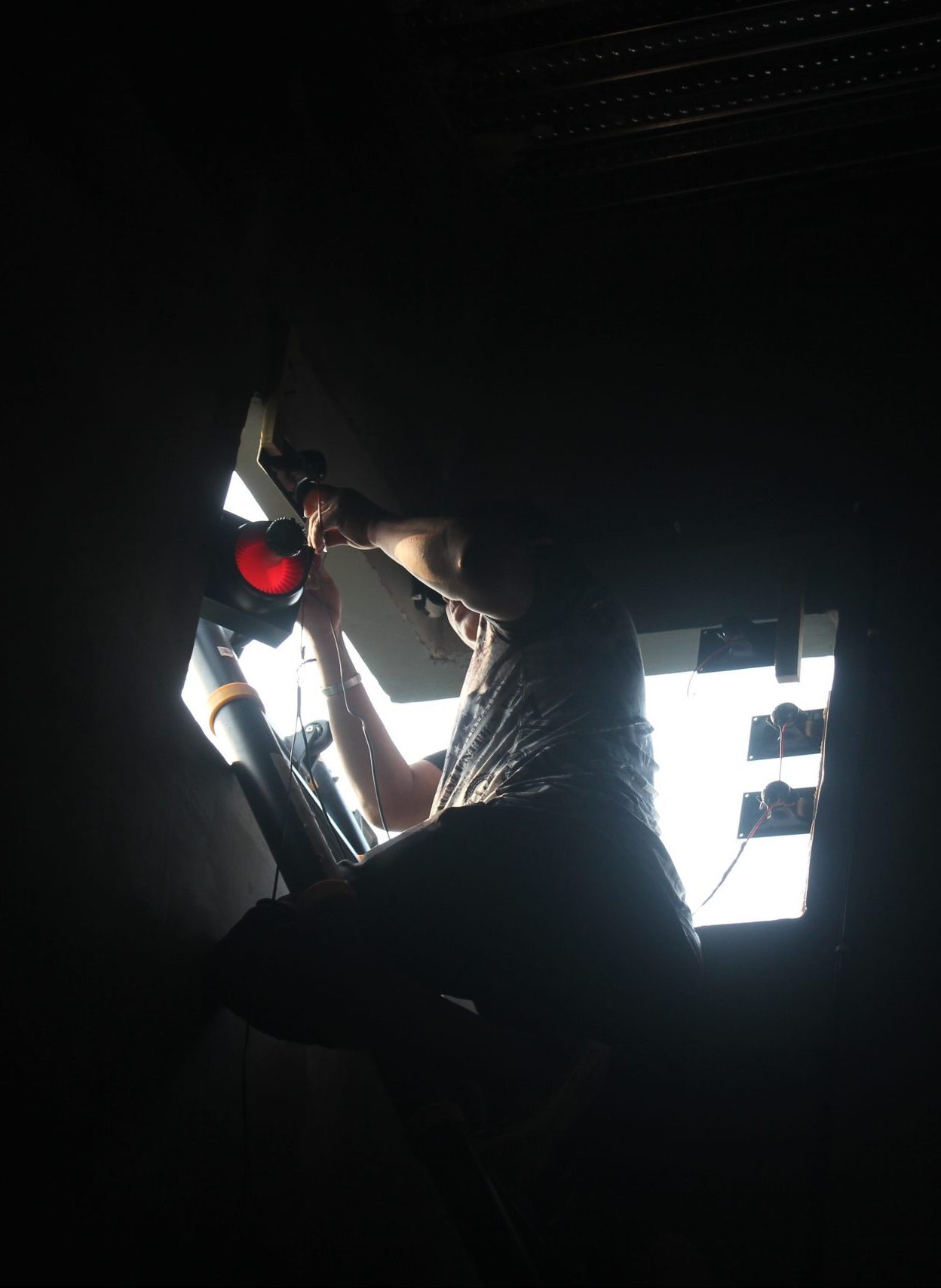
Tricks and sound rolling techniques, both calling and lodging voices, are carried out if the swiftlet building has no progress in the deployment of inpatient points, polished swiftlet nests, finished swiftlet nests in the 4th month. So it needs to be re-adapted with new calling or lodging sounds and is highly recommended to change the call sound and the house sound. However, if there is progress, even if there are only 1-3 new points of stay, then it is recommended to continue using the previous call and stay voice. Most swiftlet farmers fail to understand this pattern of changing swiftlet sounds, only if there is a swiftlet sound that is said to be good then the sound is immediately tried over and over again.
Then the quality of swiftlet nests that live in urban areas is usually brownish yellow, some are even rice white but the color is striped or mixed with other colors. If you see a color like this in a swiftlet’s nest, you can guess that it contains very high levels of nitrites. And of course this will affect the selling price which is very low. The cleaner and whiter the swiftlet’s nest, the more hygienic it will be and free from other contamination threats. So much in demand by overseas buyers.